Skip Hire in Shepherds Bush

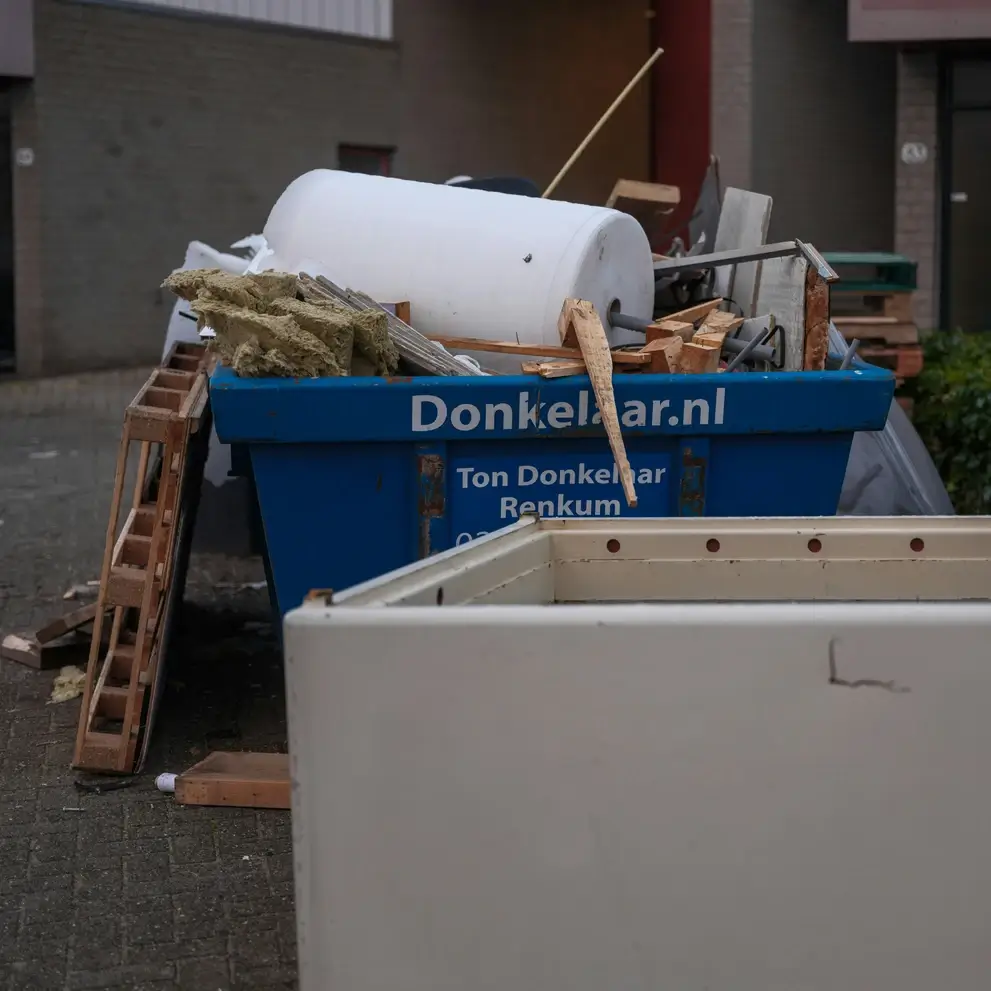
Skip hire in Shepherds Bush gives households, landlords and trade customers a practical way to clear mixed waste without overcomplicating the job. Our service is focused on collecting and removing suitable non-hazardous waste from domestic and commercial projects, with skip options that can support everything from a one-room tidy-up to building work that produces bulky rubble, timber and packaging. The aim is straightforward: help you keep the site clear, manage disposal sensibly and choose a size that matches the work.
For many projects, the right skip is less about the largest container and more about how the waste will be produced. A small renovation may need a compact skip for plasterboard, tiles and broken fittings, while a longer refurbishment can call for a larger container to handle varied loads from different trades. If you are comparing skip sizes, access and waste type, it helps to think about what will be thrown away first, what will arrive later and where the container can safely sit.
We keep the service practical and direct. If you already know the main waste stream, you can move straight to the relevant option and request a quotation. Choose the skip that fits the job, not the other way around. When you are ready, use the contact route that suits you and ask for a price based on your waste, location and timing.
Domestic skip hire for home projects
Domestic skip hire is often the simplest answer when the job involves more than a few council bags but not enough to justify a larger clearance operation. It suits loft declutters, kitchen strip-outs, bathroom replacements, bulky packaging after deliveries and general household waste that has built up over time. Our service is designed to take the strain out of handling awkward items while keeping the collection process orderly.
In a home setting, the biggest difference is usually the way waste is generated. A clear-out may be steady but light, whereas a refurbishment can create short bursts of heavy material. That is why the right skip should be chosen with both volume and weight in mind. Mixed household waste is often best kept separate from materials that need a different disposal route, and that can make loading easier and reduce avoidable complications.
Typical domestic uses
Common domestic uses include spring cleans, garage contents, old furniture where suitable, broken fixtures, garden cuttings and DIY debris from minor improvement work. If the waste includes plaster, brick, soil, timber or packaging, the loading pattern may be different, but the same principle applies: keep the container usable, avoid overfilling it and place heavier items low down where possible. Skip sizes and prices can help you compare the most suitable starting point before you ask for a quotation.
Builders and construction waste

Builders and construction waste needs a service that can cope with dense, awkward and sometimes fast-moving material. Our skip hire is suitable for works that generate rubble, concrete, bricks, plasterboard, timber offcuts, metal fixings and general site debris. For many projects, a skip provides a stable central point for disposal, which keeps the working area clearer and makes it easier for trades to continue without waste spreading across the site.
Different construction jobs produce different waste profiles. A knock-through may generate a concentrated load of masonry and timber, while a staged refurbishment can produce smaller but repeated quantities of mixed debris. In both cases, the container should reflect the likely balance of heavy and light waste. If the job is being phased, it can be worth planning collection around the largest demolition stages so the skip is available when it matters most.
Where the work is primarily building-related, a dedicated service is often more efficient than trying to mix every type of removal into one arrangement. Builders skip hire is a useful route when the emphasis is on construction materials, while construction waste disposal is more appropriate if you need a broader disposal solution for site materials. If you are uncertain which path fits, a brief enquiry can usually narrow it down quickly.
Waste types, loading and what to avoid
Skip hire works best when the load is sensible, lawful and matched to the vehicle or container being supplied. Most customers use it for general mixed waste, but some materials need separate handling or may be restricted altogether. That is why it helps to sort the main categories before loading begins, especially on projects where several rooms or trades are involved. A clear approach reduces delays and makes the collection more straightforward.
The most useful rule is to identify what is going in before the skip arrives. Heavy waste, light bulky items and dusty materials each behave differently once loading starts. If you are discarding household items alongside renovation debris, it may be practical to load them in layers rather than mixing everything at random. Good loading is not about perfection; it is about keeping the waste manageable and within the agreed use of the service.
- Suitable examples often include household clutter, wood, metals, plaster, bricks and garden waste.
- Some items may require a separate disposal route because they are regulated or need special treatment.
- Very heavy waste should be considered carefully so the chosen container matches the load.
- Overfilling can create collection problems, so the top edge should remain usable.
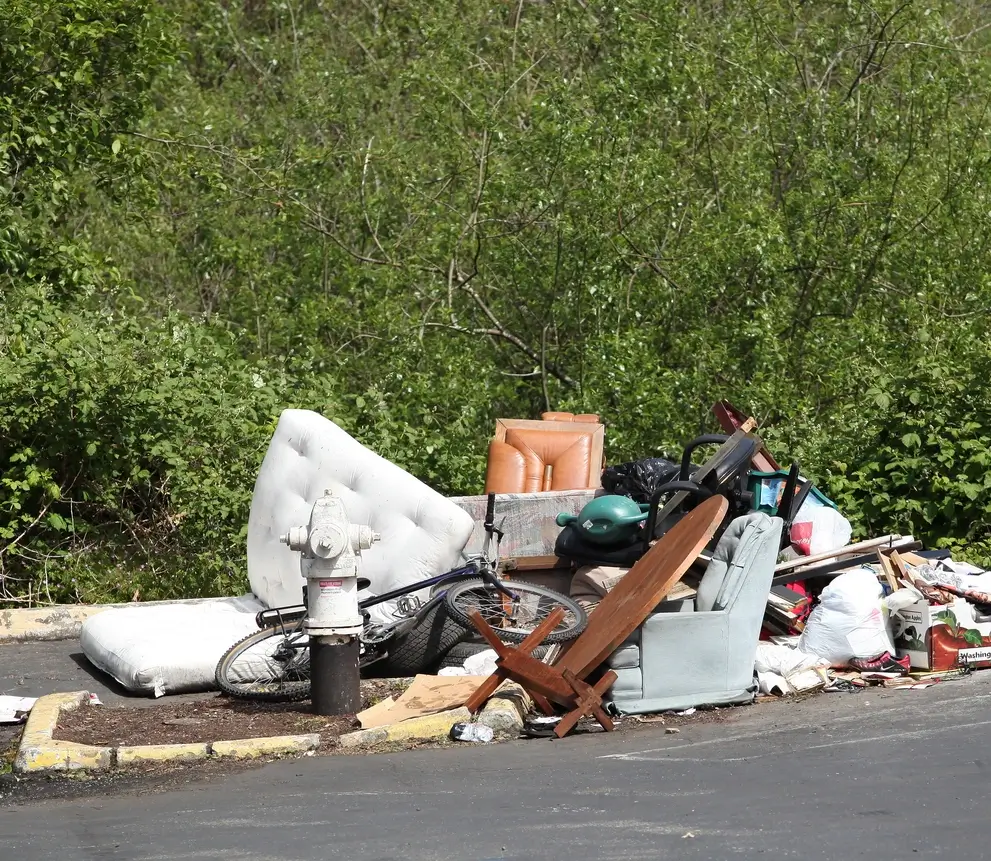
For a clearer overview of accepted materials, what can go in a skip is the most useful place to start. If the project involves awkward appliances or furniture rather than mixed rubble, separate pages such as fridge and appliance removal or mattress and sofa disposal may be more appropriate than a general waste container.
Choosing the right size and placement
The best skip is usually the one that suits the actual amount of waste, the pace of the project and the access available on site. A smaller container can be easier to position on tighter residential streets or in front gardens, while a larger one may be more efficient when the waste output is clearly substantial. Size should be judged not only by volume but also by the density of what is being removed.
Placement matters because good access affects both convenience and safety. If the skip will sit on private ground, think about hard surfaces, turning room and how far waste needs to be carried. If the waste must sit on the road, local permissions may be relevant. The practical choice is often the one that allows loading without blocking the work or creating avoidable handling risks. Access, weight and timing should be considered together rather than separately.
Our service pages include useful support if you want to compare the main options before ordering. Skip hire gives a general route into the service, while domestic skip hire and commercial skip hire are better suited to different customer needs. If you need a skip that can be loaded in a confined position or with controlled access, wait and load skip hire may be worth considering.
About Shepherds Bush
Shepherds Bush is a district in west London within the London Borough of Hammersmith and Fulham, lying broadly between Hammersmith, White City, Acton and Shepherd’s Bush Market. The name is associated with historic open land on the western edge of the old metropolis, and the area developed rapidly as London expanded westward in the nineteenth and early twentieth centuries. Its streets include a mix of Victorian terraces, interwar housing, post-war redevelopment and large commercial buildings, reflecting successive waves of urban change. The district is also closely tied to several major transport routes, including the Central line and multiple rail and Underground links, which have long made it an important point of movement across west London. One of the best-known landmarks is Shepherd’s Bush Market, a long-established covered and open-air market that adds a distinctive commercial character to the neighbourhood. Nearby stands the former BBC Television Centre at White City, a prominent mid-century complex that became a well-recognised part of the local skyline before being redeveloped for mixed use. Retail and entertainment also play a major role in the area’s identity, with Westfield London drawing substantial footfall and siting the district within a broader corridor of shopping and urban redevelopment. Green spaces are more limited than in some surrounding parts of the capital, but Shepherd’s Bush Green provides an open civic space at the centre of the district, acting as a local reference point amid the busy road network. The area’s architectural variety, transport links and layered history make it one of west London’s more recognisable urban centres.
Residential clearances and one-off removals
Some jobs are better suited to a skip than to repeated trips in a car or small van. A house clearance, probate clear-out or long-delayed declutter can produce enough material to make loading into a single container more efficient than sorting the waste one trip at a time. In those cases, the key advantage is control: items can be gathered together, assessed as a whole and removed in one planned movement rather than spread across several days.
Residential clearances often involve a mixture of reusable household goods, bulky waste and general rubbish. The skip-based approach works best when the focus is on removing what is no longer needed and creating a practical disposal point during the work. If the job includes a loft, garage or storage space, the waste can be accumulated in stages before collection, which helps avoid chaos and keeps the rest of the property usable.
For those kinds of projects, house clearance and garage and loft clearance provide more specific routes if you need the service shaped around particular parts of the property. If your priority is simply to remove mixed unwanted items from a home or small premises, rubbish removal may be the better fit. Choose the option that matches the kind of waste and the scale of the job.
Skip permits, access and practical planning

Planning a skip hire properly can save time later. The two main questions are usually where the container will sit and how the waste will reach it. If the skip can be placed on private land, access is normally more straightforward. If it has to go on the road, a permit may be required depending on the location and the arrangement chosen. That is why it is sensible to think ahead before the waste starts building up.
It also helps to consider how loading will happen throughout the day. A skip positioned too far from the work can slow progress, while one that is too close to access routes may make moving material awkward. Good planning keeps the site orderly and reduces unnecessary handling. For customers who want to understand the process in more detail, the relevant information is available before booking, and the simplest approach is often to compare the practical options first.
Useful pages include skip permits, skip hire permits and pricing and quotes if you want to factor in both logistics and budget. If you are arranging a larger clear-out or regular trade work, site clearance and construction waste clearance can also help you judge whether a skip or a broader clearance service makes more sense. Please ask for a quotation when you are ready.
Commercial waste, trade loads and scheduled work
Commercial customers often need waste removed in a way that fits around trades, deliveries and opening hours. Skip hire can provide a central disposal point for offices, retail premises, workshops and building teams that generate recurring waste. The advantage is consistency: once the container is in place, waste can be dealt with as it is produced instead of allowing it to gather in staff areas, back yards or workspaces.
Trade loads may include cardboard, packaging, strip-out material, shelving, fixtures and general refuse from alterations or fit-out work. A commercial arrangement usually needs a practical conversation about space, timing and the likely mix of waste. When the job is predictable, the chosen skip can be planned around the workflow. When the job is phased, it can be better to keep disposal flexible so the site remains manageable throughout the project.
If your work is office-based, the most suitable page may be office clearance. For controlled waste from sites, builders waste removal and demolition waste removal provide clearer matches. Customers wanting a more concentrated lift-and-clear service may also find grab hire services useful, especially where the waste is bulky or the site needs quicker collection planning.
Speed, recycling and quotation details
Some projects move quickly, and the waste solution needs to keep pace. If a short-notice collection is important, it is worth looking at the service that matches your timings rather than assuming every job needs the same setup. In some cases, a skip is the right answer; in others, a different collection method may be more efficient depending on access, volume and the speed at which waste will be produced.
Recycling also matters because not every load is the same. Mixed waste may still contain recyclable materials, and separating certain items early can make later handling simpler. Customers who are comparing waste routes can use the service information to judge whether they need a standard skip, a more specialised collection or a combination of both. Practical disposal is usually best when the chosen method fits the waste stream closely.
For further detail, same day skip hire may be relevant where timing is tight, while recycling and sustainability explains the wider approach to material handling. If you are ready to move from planning to action, contact us is the final step for a quotation and next-stage details. Please send the waste type, the area and the basic job description so the reply can be matched to the right service.
Final checks before you request a quotation

Before asking for a quotation, it helps to settle the basics: what the waste is, how much of it there is, whether the load will be mixed and where the skip or collection point needs to be placed. Those details are usually enough to point you toward the right service without overcomplicating the process. For larger jobs, it can also be useful to note whether the waste will arrive all at once or in stages.
A good enquiry keeps things focused. If the job involves heavy materials, awkward access or a restricted site, include that information early so the chosen arrangement reflects the real conditions. Where practical, a brief description of the waste and the site can make it easier to match the right option. You do not need to overstate the job; clear facts are usually the most helpful starting point. Simple details lead to a simpler quote.
When you are ready, use the route that suits you best and ask for a quotation for skip hire in Shepherds Bush. If you want to compare container options first, look again at the service pages and choose the one that fits the waste most closely. Then send your request and we will help with the next step.