Health and Safety Policy for Skip Hire Shepherds Bush
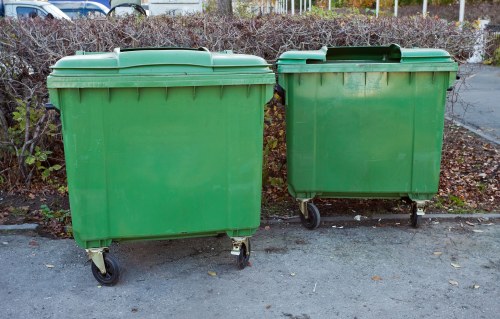 Introduction: This Health and Safety Policy sets out the commitment of Skip Hire Shepherds Bush to protect employees, contractors, clients and the public when providing skip hire and rubbish collection services. The policy applies across our service area and underpins every operational decision. It describes the responsibilities, risk controls and continuous improvement measures that support safe waste removal, efficient skip placement and responsible rubbish disposal.
Our goal is to ensure that hazards associated with skip hire and waste management are identified, assessed and controlled. Prevention is prioritised through planning, training and the use of appropriate equipment. Wherever skips are placed, we will apply safe working procedures to minimise the risk of injury, environmental harm and property damage while delivering reliable skip hire solutions.
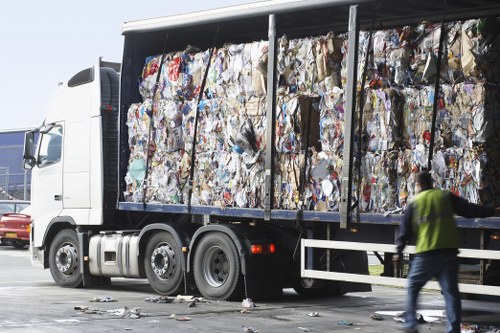 The policy is guided by the principles of risk assessment, competence, and clear allocation of duties. This includes ensuring robust vehicle safety practices, safe manual handling, appropriate segregation of waste, and prevention of unauthorised access to skips. All personnel engaged in skip hire operations must be familiar with this policy and implement it in day-to-day activities related to rubbish removal and debris collection.
Responsibilities and Management
Management is responsible for maintaining an effective health and safety system for the skip hire and waste removal business. This includes regular review of safe systems of work and ensuring that adequate resources are provided for training, equipment and supervision. Managers will also ensure compliance with applicable waste handling and transport obligations while avoiding unnecessary local legal detail in this statement.Employee and Contractor Duties
Employees and subcontractors must follow safe methods, report hazards and incidents, and use personal protective equipment. Everyone has a role in maintaining site safety: checking skip stability, securing loads, and ensuring rubbish is loaded in a manner that prevents spillage during transit. A culture of reporting and improvement will be encouraged.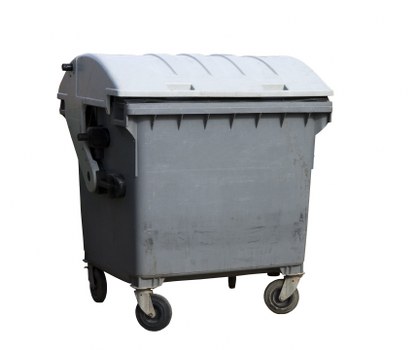 Competence and Training: All operational staff receive role-specific training in vehicle operations, manual handling, hazardous waste awareness, and traffic management where applicable. Training is documented and refreshed periodically. Staff involved in skip placement and collection are trained to assess site conditions, identify overhead and underground utilities, and apply control measures for pedestrian safety and vehicle access.
Risk Assessment and Control Measures
Before any skip is delivered or collected a site-specific assessment will be undertaken. Controls put in place may include diversion signage, vehicle marshalling, use of banksmen, and securing skips to prevent movement. For projects involving bulky or heavy waste, lift plans and mechanical aids reduce manual handling risks during rubbish removal operations.Hierarchy of controls is applied to all hazards: eliminate, substitute, engineer controls, administrative controls and PPE. Common hazards addressed include vehicle movements, awkward lifting, slips/trips, manual handling of garden and construction waste, and exposure to hazardous substances. Controls are regularly reviewed to ensure effectiveness.
Personal Protective Equipment (PPE)
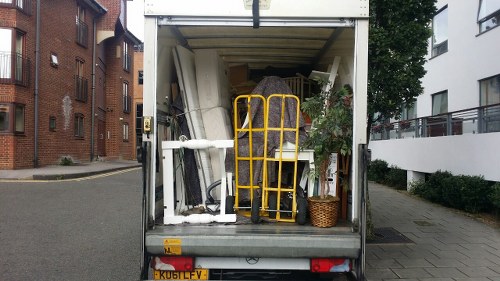
Appropriate PPE such as high-visibility clothing, gloves, safety boots and eye protection must be worn on site. For specific tasks, respiratory protection and cut-resistant gloves are supplied. Employees must maintain PPE in good condition and replace damaged items promptly. Supervisors will monitor compliance to reduce the likelihood of injury during skip hire activities.
Operational Safety for Skip Hire and Waste Handling
Operational procedures govern safe loading, securing and transport of waste. Skips will be positioned to avoid obstructing highways or endangering the public. Loads will not exceed safe capacity and will be covered where appropriate to prevent material from falling or being blown out during transit. Special consideration is given to hazardous streams and segregated collections.Emergency Response and Incident Reporting An emergency plan is maintained to respond to spills, fires and vehicle incidents. Incidents are reported promptly, investigated and used to inform corrective actions. Lessons learnt are communicated across the workforce to prevent recurrence. First aid provisions and access to trained first-aiders are ensured at operational sites.
To support continuous improvement, regular inspections, toolbox talks and performance reviews are carried out. This policy is reviewed at least annually or after significant incidents or changes in operations. Our commitment to safe, reliable and environmentally responsible skip hire and rubbish collection services is maintained through ongoing evaluation and staff engagement.
- Key commitments: prevent harm, maintain competence, manage risks, and deliver safe waste services.
- Scope: applies to all skip hire, bin collection and rubbish removal activities conducted by the company across the service area.
- Review: the policy will be updated to reflect operational changes and improvements in health and safety practice.
Signed on behalf of the company — This statement represents the overarching health and safety approach for skip hire, rubbish clearance and related services and is supported by detailed operational procedures available to staff. It is intended to communicate a clear, positive safety culture while avoiding unnecessary regulatory detail in this public policy statement.